
Understanding the Different Types of Hemorrhoids and Treatment Options
Hemorrhoids are a common condition that affects many people, yet they are often misunderstood. Knowing the different types of hemorrhoids can help in identifying the symptoms and seeking the appropriate treatment.
Internal Hemorrhoids
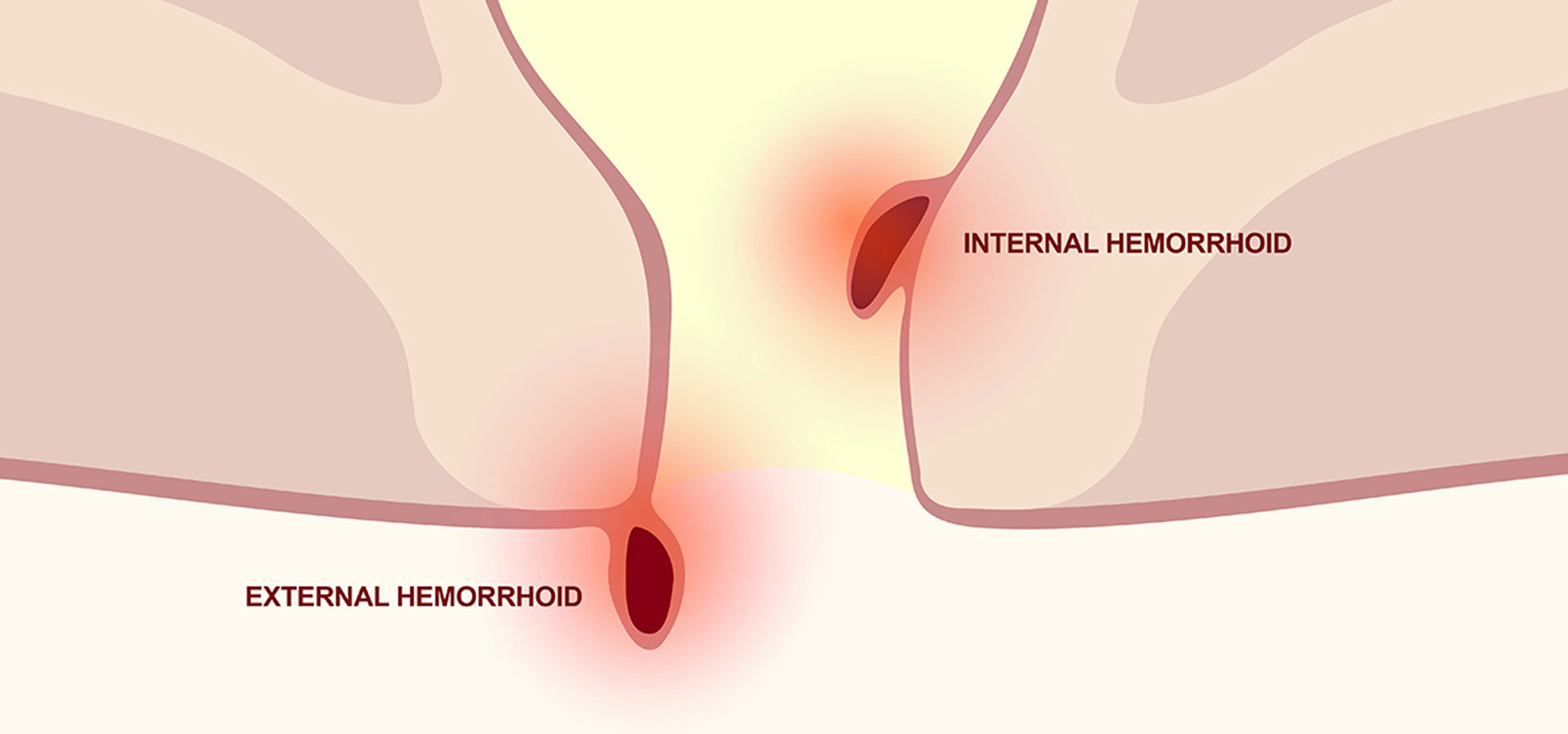
Internal hemorrhoids are located inside the rectum and are typically not visible. They often cause painless bleeding during bowel movements. However, if an internal hemorrhoid prolapses (extends outside the anus), it can become painful.
Symptoms of Internal Hemorrhoids:
- Bright red blood in the stool or on toilet paper
- Prolapse of hemorrhoidal tissue through the anus
- Itching or irritation around the anus
External Hemorrhoids
External hemorrhoids form under the skin around the anus. These can be itchy or painful and can sometimes bleed. When a blood clot forms within an external hemorrhoid, it becomes a thrombosed hemorrhoid, which can be particularly painful.
Symptoms of External Hemorrhoids:
- Pain or discomfort around the anus
- Swelling and inflammation
- Bleeding during bowel movements
Thrombosed Hemorrhoids
Thrombosed hemorrhoids occur when a blood clot forms within an external hemorrhoid, leading to severe pain, swelling, and inflammation. This type requires prompt medical attention to relieve symptoms and prevent complications.
Symptoms of Thrombosed Hemorrhoids
- Severe pain and swelling
- Hard lump near the anus
- Bluish discoloration around the affected area
Prolapsed Hemorrhoids
Prolapsed hemorrhoids occur when internal hemorrhoids extend outside the anus. These can be graded from I to IV, with Grade IV being the most severe, where the hemorrhoid cannot be pushed back in.
Symptoms of Prolapsed Hemorrhoids:
- A bulge outside the anus that may be felt during bowel movements
- Pain and discomfort
- Difficulty cleaning the area, leading to irritation

Treatment Options for Different Types of Hemorrhoids
Transanal Hemorrhoidal Dearterialization (THD):
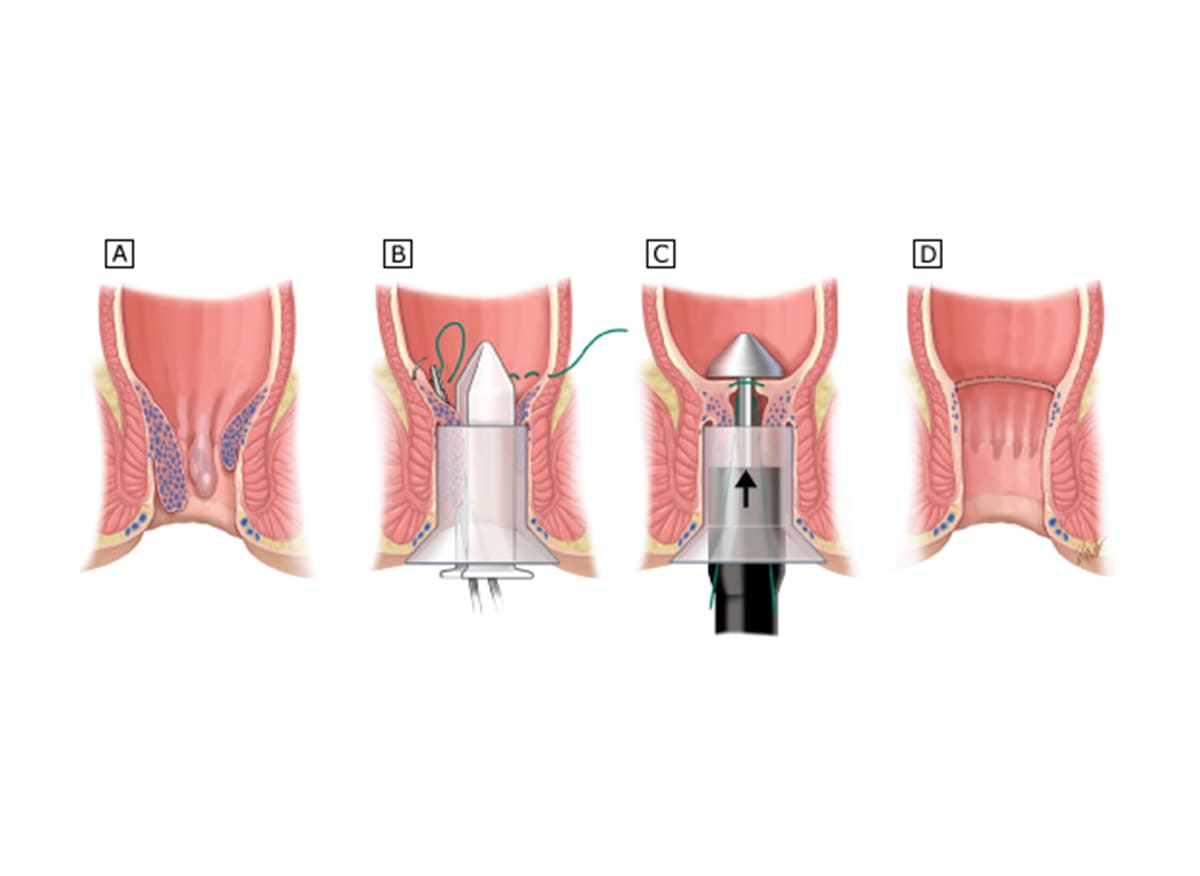
THD is a minimally invasive procedure specifically designed for treating internal hemorrhoids, particularly Grades II to IV. This procedure uses a Doppler ultrasound to locate and tie off the arteries supplying blood to the hemorrhoids. By reducing the blood supply, THD causes the hemorrhoids to shrink and retract, making it an effective long-term solution.
Why Choose THD:
- Precision Targeting: Focuses on the blood vessels causing the problem without extensive tissue removal.
- Minimally Invasive: No incisions required, leading to quicker recovery and less pain.
- Low Recurrence Rate: Effectively reduces the likelihood of hemorrhoids returning.
Rubber Band Ligation (RBL)
RBL is suitable for smaller internal hemorrhoids, typically Grade II or III. The procedure involves placing a rubber band around the base of the hemorrhoid to cut off its blood supply. The hemorrhoid shrinks and falls off within a few days.
Benefits of RBL:
- Non-Surgical: A quick, outpatient procedure with minimal discomfort.
- Effective for Milder Cases: Works well for less severe hemorrhoids that don’t require more invasive treatment.
Hemorrhoidectomy
Hemorrhoidectomy is a surgical procedure reserved for severe cases, particularly for large or recurrent hemorrhoids, or when other treatments have failed. It involves the complete removal of the hemorrhoidal tissue.
When Hemorrhoidectomy Is Necessary:
- Complete Removal: Provides a permanent solution by removing the hemorrhoids entirely.
- Definitive Solution: Ideal for very large or persistent hemorrhoids that other treatments cannot manage.
Understanding the different types of hemorrhoids and their symptoms is crucial for effective management. Whether dealing with mild internal hemorrhoids or severe thrombosed hemorrhoids, there are various treatment options available, ranging from non-invasive procedures like RBL to more comprehensive surgical solutions like Hemorrhoidectomy. If you are experiencing hemorrhoid symptoms, consult our professionals at Heritage Surgical Group to determine the best course of action.
The information provided on this website is for informational purposes only and is not intended as medical advice. Always consult with a qualified healthcare provider regarding any medical concerns, conditions, or treatment options. Individual results may vary. The services described are not intended to diagnose, treat, cure, or prevent any disease. Any medical procedure should be discussed thoroughly with a licensed professional before beginning treatment.