
How to Get rid of External Hemorrhoids in 48 Hours
External hemorrhoids are a common and often painful condition that affects many people. Understanding the causes, symptoms, and treatment options is essential for managing this condition effectively. The video below dives deep into the External Hemorrhoids treatment. You can either watch the video or read our blo
What Are External Hemorrhoids?
External hemorrhoids are swollen veins located around the anus and under the skin. They can cause significant discomfort, including itching, pain, and bleeding. Hemorrhoids, in general, are classified into two types: internal and external. Internal hemorrhoids occur inside the rectum, while external hemorrhoids develop under the skin around the anus.

Can External Hemorrhoids Burst?
Yes, external hemorrhoids can burst, leading to sudden, severe pain and bleeding. This occurs when a blood clot within the hemorrhoid breaks.
What Can Be Mistaken for External Hemorrhoids?
Conditions such as anal fissures, abscesses, skin tags, or even anal cancer can sometimes be mistaken for external hemorrhoids. Proper diagnosis is crucial to ensure appropriate treatment.
Treatment Options for External Hemorrhoids
There are several treatment options available for managing external hemorrhoids:
Over-the-Counter Treatments
- Suppositories: Suppositories for external hemorrhoids can help reduce inflammation and provide relief from symptoms.
Home Remedies
- Warm Sitz Baths: Sitting in warm water for 15-20 minutes can help reduce swelling and discomfort.
- Dietary Changes: Increasing fiber intake and staying hydrated can soften stools and reduce straining.
How to Get Rid of External Hemorrhoids Without Surgery
Unfortunately, there’s no way to get rid of external hemorrhoids without surgery. Since external hemorrhoids are covered by skin, you will feel pain with other treatments for hemorrhoids, such as rubber band ligation or Transanal hemorrhoidal dearterialization. The only solution for a symptomatic external hemorrhoid is:
Hemorrhoidectomy: Surgical Removal of External Hemorrhoids
A hemorrhoidectomy is a surgical procedure used to remove severe external hemorrhoids. It is considered the most effective treatment option for patients who have not found relief from other less invasive methods. Hemorrhoids, particularly external ones, can cause significant discomfort, and surgical removal offers a definitive solution.
Hemorrhoidectomy is typically recommended in cases where:
- Chronic Pain and Discomfort: The hemorrhoids are persistently painful and unresponsive to other treatments such as creams, dietary changes, or minimally invasive procedures.
- Thrombosed Hemorrhoids: When blood clots form within the hemorrhoids, causing extreme pain and swelling.
- Large, Prolapsed Hemorrhoids: If the hemorrhoid protrudes and cannot be reduced or pushed back in, surgery becomes a necessary measure.
- Failed Conservative Treatments: Other methods like sclerotherapy, rubber band ligation, or infrared coagulation have proven ineffective or not applicable.
Types of Hemorrhoidectomy Procedures
There are different approaches to performing a hemorrhoidectomy, depending on the severity of the hemorrhoid and the patient’s overall health:
- Conventional Hemorrhoidectomy: This involves the complete surgical removal of hemorrhoids under anesthesia. The procedure can be done using a scalpel, laser, or electrocautery, each with its pros and cons. Typically, a scalpel is used to excise the hemorrhoidal tissue, and the wound is either left open (open hemorrhoidectomy) or stitched closed (closed hemorrhoidectomy).
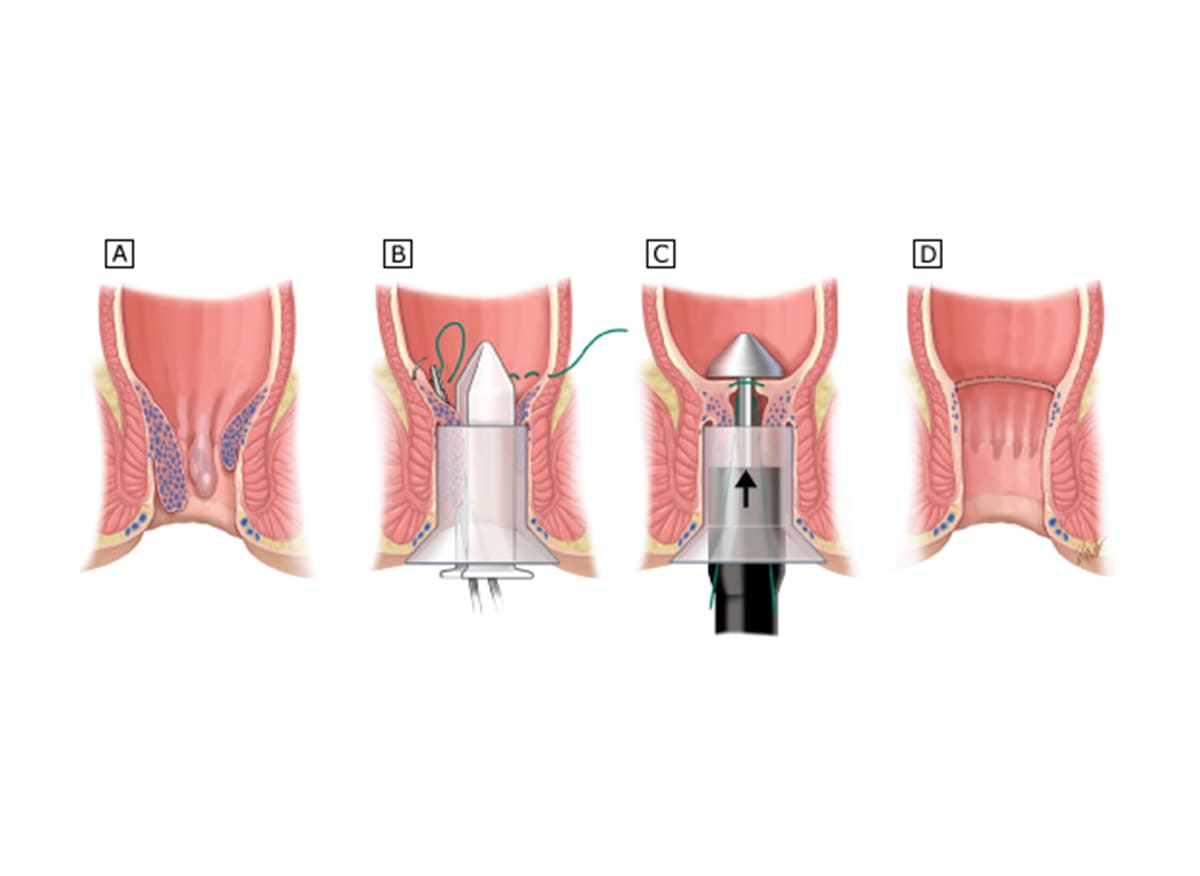
- Stapled Hemorrhoidectomy (Stapled Hemorrhoidopexy): Instead of cutting out the hemorrhoid, this procedure uses a special stapling device to reposition the prolapsed hemorrhoid back into the anal canal and cut off the blood supply, leading to shrinkage. This method is less painful and offers quicker recovery but has a slightly higher recurrence rate. This method only applies to Internal Hemorrhoids. However, due to complications of pain and fistula, this procedure has fallen out of favor with some Colorectal surgeons.
Before undergoing a hemorrhoidectomy, you will need to undergo a few preoperative assessments, which may include blood tests and possibly a colonoscopy to rule out other underlying conditions. Your doctor will provide instructions to prepare, including fasting and bowel preparation.
A hemorrhoidectomy is performed under sedation, general anesthesia or spinal block to ensure comfort. The surgeon removes the hemorrhoidal tissue carefully, aiming to prevent damage to the anal sphincter.
The procedure itself typically lasts between 30 minutes to an hour, depending on the number of hemorrhoids and the complexity of removal.
Prevention of External Hemorrhoids
Preventive measures include:
- Lifestyle Changes: Avoid prolonged sitting and take breaks to move around.
- Dietary Recommendations: Increase fiber intake through fruits, vegetables, and whole grains, and drink plenty of water.
- Avoid constipation: Same measures as listed above.
External hemorrhoids can be managed effectively with proper understanding and treatment. Are you struggling with the discomfort of external hemorrhoids? Don’t suffer in silence. Make an appointment today!
The information provided on this website is for informational purposes only and is not intended as medical advice. Always consult with a qualified healthcare provider regarding any medical concerns, conditions, or treatment options. Individual results may vary. The services described are not intended to diagnose, treat, cure, or prevent any disease. Any medical procedure should be discussed thoroughly with a licensed professional before beginning treatment.