
Skin & Soft Tissue Surgery
LIPOMA
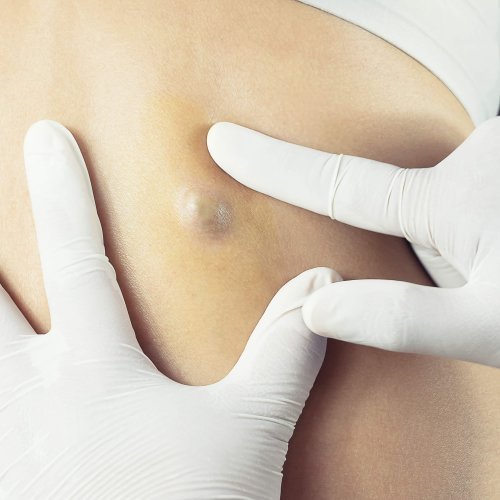
Lipomas are benign growths of mature fat cells that are lined by a thin fibrous capsule. They typically occur under the surface of the skin. Generally, they do not cause any unpleasant symptoms.
LIPOMA MANAGEMENT
Lipomas are removed easily and quickly surgically under local anesthesia with or without minimal sedation. Lipomas are predominantly removed for aesthetic reasons, since there are sometimes more than one on the body. In rare cases, particularly with larger lipomas, these growths are at higher risk to contain cancer cells, so they are sent for histological analysis.
LIPOMA REMOVAL
Lipomas are removed easily and quickly surgically under local anesthesia and/or minimal sedation. Lipomas are predominantly removed for aesthetic reasons, since there are sometimes more than one on the body. Although this is a rare case, these growths can sometimes contain cancer cells (if they are larger in size), so if the doctor suspects that there are cancer cells in it, they will send the removed lipoma for further histological analysis.
@media (max-width: 600px) { #title { color: #0D6077; } } SEBACEOUS CYST
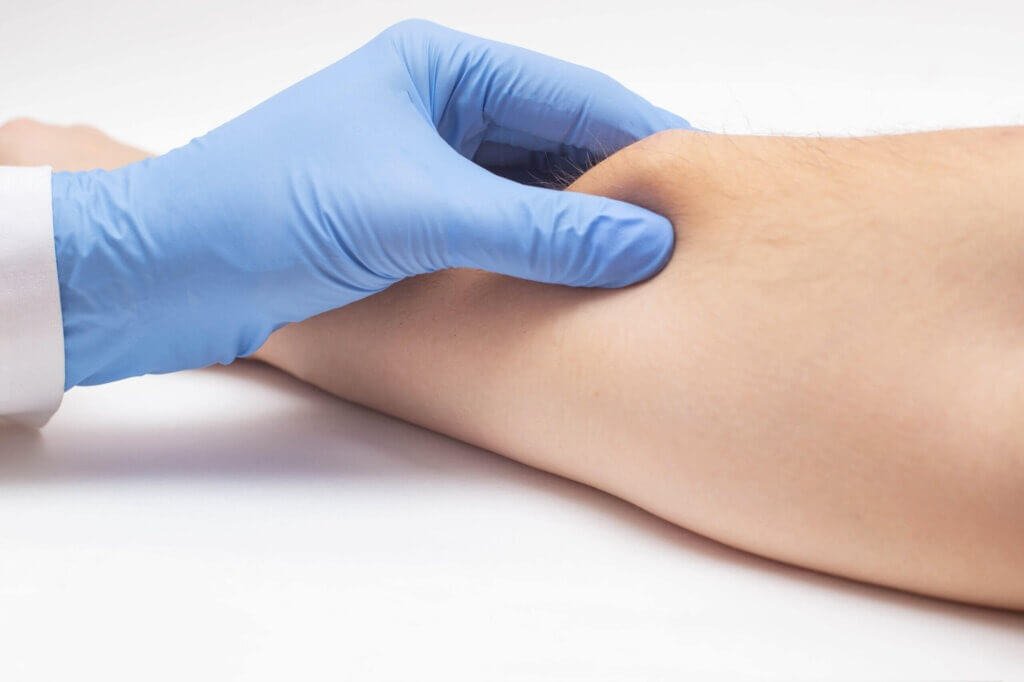
A sebaceous cyst, or epidermoid cyst, is a closed sac under the skin filled with oily, waxy contents. It is a benign formation that may become inflamed by blockage of the sebaceous glands.
SEBACEOUS CYST MANAGEMENT
Treatment of an infected sebaceous cyst can be done in the office and would require incision and drainage. Surgical removal of a sebaceous cyst is definitive treatment. This intervention can be performed under local anesthesia with or without minimal sedation.
SEBACEOUS CYST MANAGEMENT
Treatment of an infected sebaceous cyst can be done in the office and would require incision and drainage. Surgical removal of a sebaceous cyst is definitive treatment. This intervention can be performed under local anesthesia with or without minimal sedation.
PILONIDAL CYST
A pilonidal cyst occurs in the skin and subcutaneous tissue near the upper part of the gluteal cleft of the buttocks. It is caused by ingrown hairs or open pores that become embedded with debris. It often presents as an abscess, which is characterized by painful and inflammatory changes, and often by purulent discharge. A pilonidal abscess may rupture spontaneously or require surgical intervention.
PILONIDAL CYST MANAGEMENT
A pilonidal abscess is treated with incision and drainage with or without antibiotics depending on the presence of redness around the area. Following healing, management includes regular gluteal cleft shaving and perineal hygiene.
Definitive treatment includes surgical excision and destruction of all cysts, sinus tracts, and skin pores.
HIDRADENITIS
Hidradenitis is a chronic inflammatory skin condition that involves the axillae, groin, perineal, perianal, and inframammary regions. Clinical manifestations vary based on severity, and it can present as recurrent inflamed nodules, abscesses, draining skin tunnels (sinus tracts), and bands of severe scar formation. This occurs because of occlusion of the hair follicles in these areas.
HIDRADENITIS MANAGEMENT
Treatment is based on severity of disease. Mild and moderate disease may benefit from long term antibiotics and/or anti-inflammatory medications. More severe disease with sinus tracts and scarring may benefit from a wide excision of disease.
Ready to get started?
Contact Us
Visit any of our convenient locations in Bergen Country or fill out the form to contact us today!