
Transanal Hemorrhoidal Dearterialization (THD)
Transanal Hemorrhoidal Dearterialization (THD) is a minimally invasive procedure designed for the treatment of hemorrhoids by reducing their blood supply. This article delves into the intricacies of THD: its benefits, the procedure, and recovery.
What is THD?
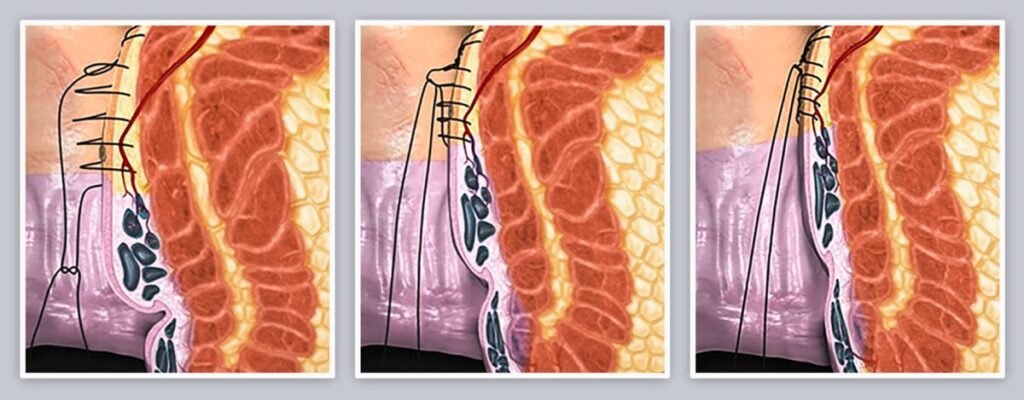
THD is a surgical technique used to treat symptomatic hemorrhoids. It focuses on ligating the arteries that supply blood to hemorrhoidal tissue, thereby reducing swelling and discomfort. Unlike traditional hemorrhoidectomy, THD aims to be less painful and involves a quicker recovery period.
The Need for THD
- Approximately 4.4% of the global population is affected by hemorrhoids, making it a significant public health concern.
- In the United States, hemorrhoids affect about 1 in 20 people, with about 50% of adults over the age of 50 experiencing hemorrhoidal symptoms.
- Non-surgical treatments like dietary changes, topical treatments, and rubber band ligation are often the first line of defense.
- Severe cases may require surgical intervention, traditionally removing the hemorrhoids (hemorrhoidectomy), which can be associated with considerable postoperative pain and longer recovery times.
Benefits of THD
- Minimally Invasive: Less tissue trauma compared to traditional surgery.
- Reduced Pain: Patients report significantly lower pain levels post-procedure.
- Quicker Recovery: Shorter recovery time, allowing patients to resume normal activities sooner.
- High Success Rates: Effective in treating internal hemorrhoids.
The THD Procedure
- Consultation: Thorough evaluation by a colorectal surgeon.
- Bowel Preparation: Typically one enema on the day of surgery. A full bowel preparation (as with a colonoscopy) is not necessary.
- Anesthesia: THD is typically performed under sedation (similar to a colonoscopy), however, this is patient specific, and is decided upon after consultation between the anesthesiologist and the surgeon.
- Anoscope Insertion: A specially designed anoscope equipped with a Doppler probe is inserted into the anus.
- Artery Identification: The Doppler probe helps identify the arteries supplying blood to the hemorrhoids.
- Ligation: These arteries are then ligated using sutures to cut off the blood supply.
- Mucosal Lifting: The prolapsed hemorrhoidal tissue is repositioned and secured using additional sutures. This part is known as Hemorrhoidopexy.
The procedure typically takes 30 minutes, depending on the number and severity of hemorrhoids.
Immediate Aftercare
- Observation: Patients are monitored for a few hours post-surgery.
- Pain Management: Narcotic and Non-narcotic painkillers are prescribed as needed.
Recovery at Home
- Diet: High-fiber diet to prevent constipation and straining.
- Hydration: Adequate fluid intake to maintain soft stools. 8 glasses of water daily
- Medication: Pain medication and stool softeners
- Activity: Gradual return to normal activities within a few days; strenuous activities should be avoided for a couple of weeks.
- Follow-up: Scheduled follow-up visits to monitor recovery and address any complications.
Risks and Complications
While THD is generally safe, potential risks include:
- Bleeding: Minor bleeding can occur, typically resolving on its own.
- Infection: Rare, but possible; managed with antibiotics if needed.
- Urinary Retention: Temporary difficulty in urination post-surgery.
- Recurrence: Hemorrhoids can recur, though the rate is lower compared to other treatments.
Success Rates and Statistics
Efficacy of THD
- Studies indicate that THD has a success rate of approximately 90% in the long-term management of hemorrhoids.
- A meta-analysis of several studies found that the recurrence rate of hemorrhoids after THD is around 10-15% .
Patient Satisfaction
- High patient satisfaction rates due to reduced postoperative pain and quicker recovery times.
- A study published in the “International Journal of Colorectal Disease” reported that 85% of patients were satisfied with the results of THD one year post-procedure
Comparative Statistics
- Compared to traditional hemorrhoidectomy, which has a recurrence rate of about 25-30%, THD presents a more favorable long-term outcome .
- Pain scores measured on a visual analog scale (VAS) are significantly lower in THD patients compared to those undergoing traditional hemorrhoidectomy .
Transanal Hemorrhoidal Dearterialization (THD) offers a promising, minimally invasive alternative for the treatment of hemorrhoids. Its advantages of reduced postoperative pain, shorter recovery times, and high success rates make it an attractive option for many patients. As with any medical procedure, it is essential to consult with a healthcare provider to determine the most appropriate treatment based on individual needs and conditions.
By understanding THD, patients can make informed decisions about their treatment options and improve their quality of life through effective management of hemorrhoidal symptoms.
The information provided on this website is for informational purposes only and is not intended as medical advice. Always consult with a qualified healthcare provider regarding any medical concerns, conditions, or treatment options. Individual results may vary. The services described are not intended to diagnose, treat, cure, or prevent any disease. Any medical procedure should be discussed thoroughly with a licensed professional before beginning treatment.