
Burst Hemorrhoid: Symptoms, Bleeding, and Why You Shouldn't Pop it
News Alert: Everyone Has Hemorrhoids!
It’s true—everyone is born with hemorrhoids. These are normal cushions of blood vessels, known as the internal and external hemorrhoidal plexuses, located inside the anal canal and around the anus. They play an important role in maintaining bowel control and are a natural part of human anatomy.
Most of the time, you’ll never notice they’re there. However, hemorrhoids can become enlarged or irritated, leading to symptoms such as painless rectal bleeding, itching, burning, swelling, or discomfort.
One of the most common questions patients ask is whether hemorrhoids can burst. While this can happen in certain situations, understanding why it occurs and knowing when to seek medical care is important. In this blog, we’ll explain what happens when a hemorrhoid bursts, discuss available treatment options, and help you recognize when it’s time to consult a colorectal specialist.

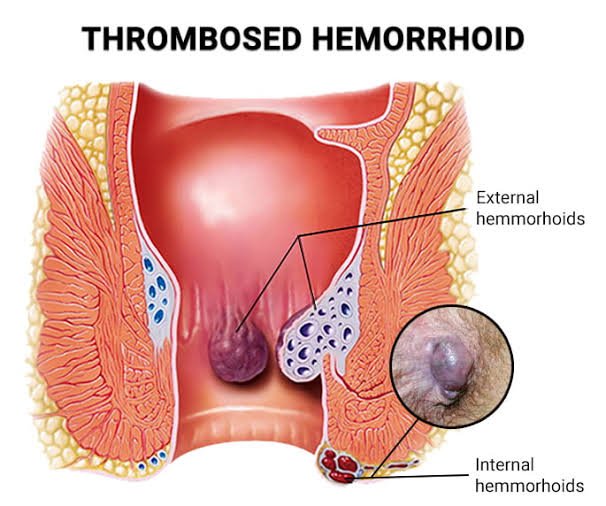
What is a Thrombosed Hemorrhoid?
A thrombosed hemorrhoid is when a blood clot forms inside a hemorrhoid. It can cause severe pain and require treatment such as Incision and Drainage. The aim here is to bring about symptomatic relief sooner than letting the blood clot heal on its own. Blood clots within Hemorrhoids can last anywhere from a few days to a few weeks and can cause symptoms like itching, pain, and prolapsed hemorrhoids.
Can Hemorrhoids Burst?
Yes, hemorrhoids can burst, leading to sudden, severe pain and bleeding. This occurs when a blood clot within the hemorrhoid breaks through the skin, causing the accumulated blood to release. “Bursting” typically refers to the sudden and forceful release of contents from a hemorrhoid, such as blood. This can happen when there is a buildup of pressure in the hemorrhoid, causing it to burst open.
What Happens When Hemorrhoids Rupture?
On the other hand, “rupturing” refers to a more severe tearing or breaking open of the hemorrhoid tissue. Rupturing a hemorrhoid may result in more significant bleeding than simply bursting.
It is important to seek medical attention if you experience severe pain, bleeding, or other symptoms related to hemorrhoids to determine the best course of treatment.
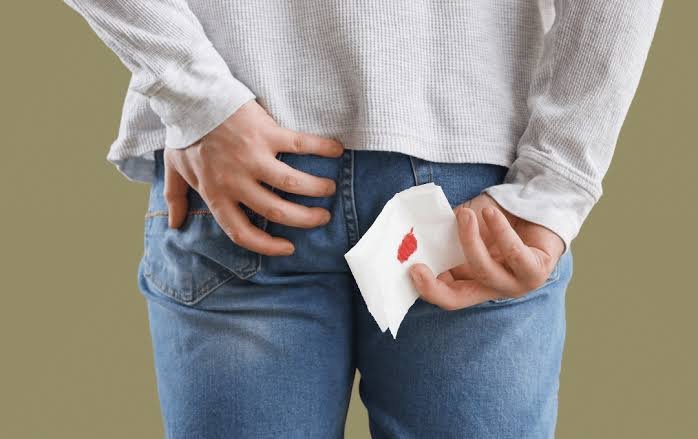
Immediate Steps to Take If a Hemorrhoid Bursts
If a hemorrhoid bursts, follow these steps:
- Apply a cold compress: This can help reduce swelling and pain.
- Clean the area gently: Use warm water and mild soap to clean the area, avoiding any harsh scrubbing.
- Apply over-the-counter treatments: Hemorrhoid creams or ointments can help soothe the area.
If the bleeding is heavy or does not stop, or if you experience severe pain you need to contact us immediately.
Treatment Options for Hemorrhoids
Managing burst hemorrhoids effectively requires understanding the available treatment options. Here is a detailed look at various medical procedures and treatments to help alleviate the symptoms and prevent future occurrences.
Rubber Band Ligation is a common procedure used to treat internal hemorrhoids. This minimally invasive method involves placing a small rubber band around the base of the hemorrhoid. The band cuts off the blood supply, causing the hemorrhoid to wither and fall off within a few days. The procedure is typically done in a doctor's office and requires no anesthesia. Patients might experience some discomfort and bleeding post-procedure, but these symptoms generally resolve quickly.
Benefits:
- Quick procedure, usually done in less than 5 minutes.
- No need for anesthesia or hospitalization.
- High success rate for treating small to medium-sized internal hemorrhoids.
Considerations:
- Possible minor bleeding and discomfort after the procedure.
- Not suitable for treating external hemorrhoids.
Transanal Hemorrhoidal Dearterialization is a procedure that targets the arteries supplying blood to the internal hemorrhoids. Using a Doppler ultrasound device, the surgeon identifies these arteries and ties them off, reducing blood flow to the hemorrhoids. This technique can be used for all grades of internal hemorrhoids and is particularly effective for prolapsed hemorrhoids.
Benefits:
- Minimally invasive with no external wounds.
- Lower recurrence rate compared to other treatments.
- Short recovery time, allowing patients to return to normal activities within a few days to one week.
Considerations:
- Requires specialized equipment and expertise.
- Some patients may experience post-operative pain and discomfort.
When a blood clot forms in an external hemorrhoid, it can cause severe pain and swelling. The thrombosed external hemorrhoid procedure involves making a small incision in the hemorrhoid to remove the clot. This procedure provides immediate relief from pain and is usually performed under local anesthesia in a doctor's office.
Benefits:
- Immediate relief from pain and pressure.
- Simple and quick procedure.
Considerations:
- Minor bleeding and discomfort post-procedure.
- Possible recurrence of thrombosis in other hemorrhoids.
For severe cases, such as large prolapsed hemorrhoids or those that do not respond to less invasive treatments, complex hemorrhoid surgery may be necessary. This can include procedures like hemorrhoidectomy, where the hemorrhoid is surgically removed.
Hemorrhoidectomy:
- Involves the surgical removal of hemorrhoids.
- Performed under general or regional anesthesia.
- Highly effective with a low recurrence rate.
Benefits:
- Effective for treating severe or recurrent hemorrhoids.
- Long-term relief from symptoms.
Considerations:
- Longer recovery period compared to minimally invasive procedures.
- Higher risk of complications such as infection, bleeding, and anal stricture.
Preventing Hemorrhoids from Bursting
Preventive measures play a crucial role in managing hemorrhoid symptoms and reducing the risk of bursting. Here are some key lifestyle changes and dietary recommendations:
Lifestyle Changes:
- Avoid prolonged sitting: Take regular breaks to stand up and move around, especially if you have a sedentary job.
- Exercise regularly: Physical activity helps stimulate bowel function and reduces the risk of constipation.
- Practice good bathroom habits: Avoid straining during bowel movements and do not sit on the toilet for extended periods. NO LIBRARY IN THE BATHROOM! 🙂
Dietary Recommendations:
- Increase fiber intake: Consume more fruits, vegetables, and whole grains to soften stools and promote regular bowel movements.
- Stay hydrated: Drink plenty of water throughout the day to help maintain soft stools.
- Avoid irritants: Limit the intake of spicy foods, caffeine, and alcohol, which can exacerbate hemorrhoid symptoms.
By following these preventive measures and seeking appropriate treatment, you can effectively manage hemorrhoids and reduce the risk of complications. If you are experiencing discomfort from symptomatic hemorrhoids, consult a healthcare professional to explore the best treatment options for your condition.
Seek Comfort Today!
Symptomatic hemorrhoids can be painful and concerning, but they can be managed effectively with the right treatment and preventive measures. Are you dealing with the discomfort of hemorrhoids? Don’t wait for the symptoms to worsen. Visit our hemorrhoid treatment page today to learn about the best treatment options available and get the relief you need.
The information provided on this website is for informational purposes only and is not intended as medical advice. Always consult with a qualified healthcare provider regarding any medical concerns, conditions, or treatment options. Individual results may vary. The services described are not intended to diagnose, treat, cure, or prevent any disease. Any medical procedure should be discussed thoroughly with a licensed professional before beginning treatment.