
Will Hemorrhoids Go Away on Their Own?
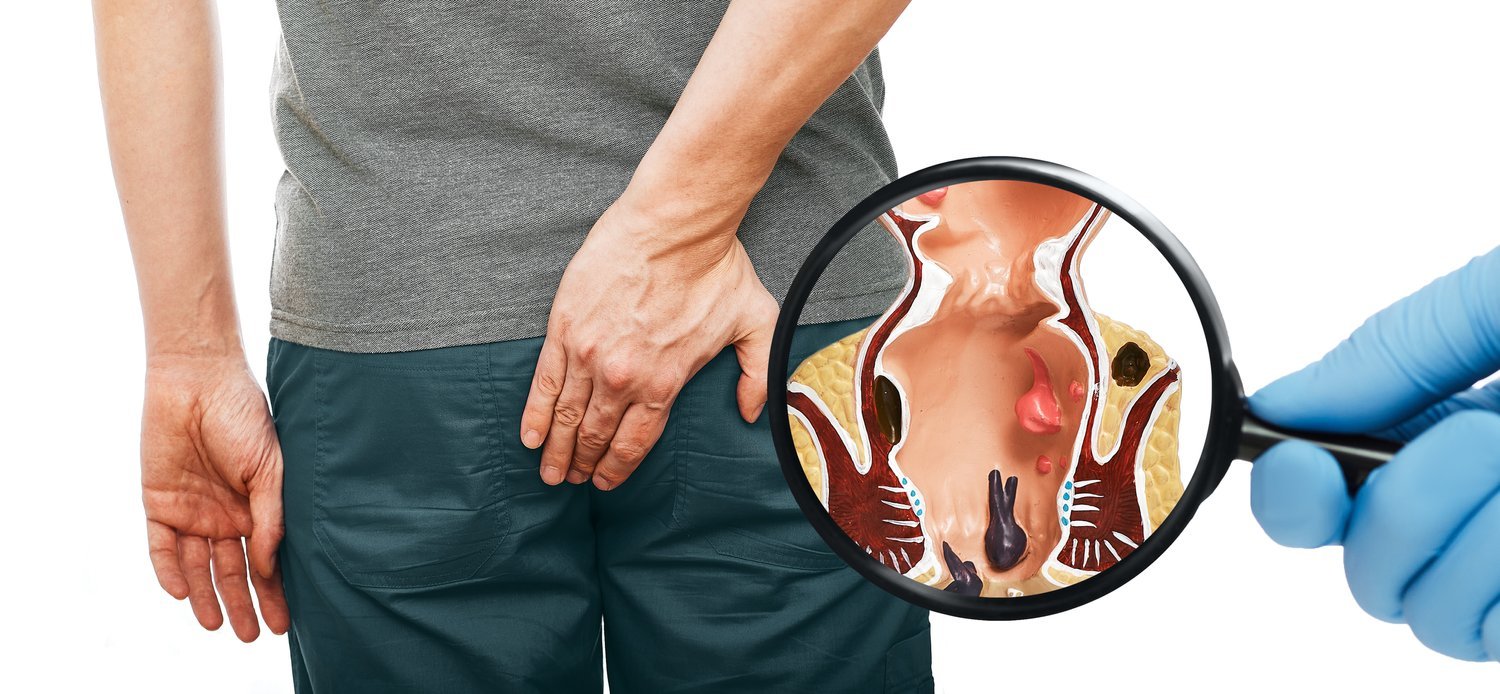
Hemorrhoids, a common condition affecting millions, can be both painful and frustrating. One of the most frequently asked questions by those suffering from hemorrhoids is, “Will hemorrhoids go away on their own?” The good news is that in many cases, they do. However, the timeline and treatment approach can vary depending on the severity and individual circumstances.
What are Hemorrhoids?
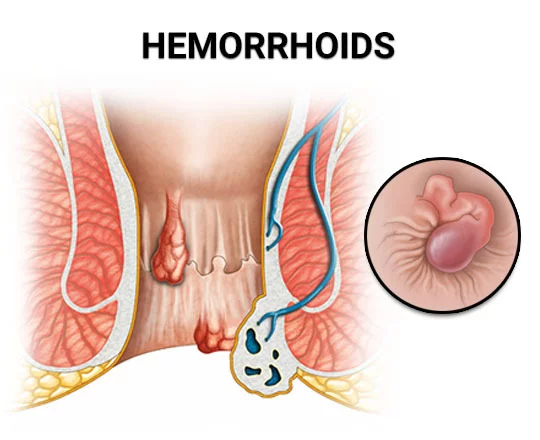
Hemorrhoids are swollen blood vessels in the rectal and anal area, often caused by straining during bowel movements, prolonged sitting, or other factors that increase pressure on the veins. They can be internal, forming inside the rectum, or external, forming under the skin around the anus.
Do Hemorrhoids Cure Themselves?
Yes, in many cases, hemorrhoids can resolve on their own, especially if they are mild. Lifestyle changes such as increasing fiber intake, staying hydrated, and avoiding prolonged sitting can help speed up the healing process. However, more severe cases might require medical intervention to prevent complications.
How Long Can Hemorrhoids Last?
The duration of hemorrhoids varies depending on the type and severity. Mild hemorrhoids can heal within a few days to a week with proper care. However, more severe cases, particularly those that are large or thrombosed (containing blood clots), may persist for weeks or even longer if left untreated.
Treatment Options for Hemorrhoids
While many hemorrhoids resolve on their own, some cases may require medical intervention, particularly if they are more severe or persistent. Here are some of the most effective treatments available:
THD is a highly specialized procedure designed specifically for treating internal hemorrhoids, particularly Grades II to IV, where symptoms like prolapse and significant bleeding are more common. This minimally invasive procedure uses Doppler ultrasound to locate and tie off the arteries supplying blood to the hemorrhoids. By cutting off the blood supply, the hemorrhoids shrink and retract, providing significant relief without the need for extensive tissue removal. THD is especially ideal for patients who have not responded to other treatments or those with recurrent hemorrhoids.
Rubber Band Ligation is another option for treating internal hemorrhoids, particularly smaller and less severe cases (Grade II or III). In this procedure, a small rubber band is placed around the base of the hemorrhoid, cutting off its blood supply. Over time, the hemorrhoid shrinks and falls off. While effective for milder hemorrhoids, RBL may not be sufficient for more severe cases, where THD or other treatments might be necessary.
Hemorrhoidectomy
For particularly severe hemorrhoids that have not responded to other treatments or where significant external symptoms are present, a Hemorrhoidectomy might be required. This surgical procedure involves the complete removal of both internal and external hemorrhoids, making it a definitive solution for the most advanced cases, such as Grade III and IV hemorrhoids. Hemorrhoidectomy offers a permanent solution by eliminating the hemorrhoid tissue altogether, significantly reducing the risk of recurrence.
When to Seek Medical Attention
If you experience significant pain, bleeding, or hemorrhoids that do not improve after a week of home care, it’s essential to consult a healthcare professional. Persistent or severe hemorrhoids might require one of the treatments mentioned above to prevent complications and ensure long-term relief.
While hemorrhoids can often go away on their own, understanding when to seek medical attention and knowing the available treatment options is crucial. Treatments like THD, RBL, and Hemorrhoidectomy offer effective solutions for persistent or severe cases, ensuring relief and reducing the likelihood of recurrence. If you’re dealing with hemorrhoids, consider consulting our professionals at Heritage Surgical Group to discuss the best treatment approach for your situation.
The information provided on this website is for informational purposes only and is not intended as medical advice. Always consult with a qualified healthcare provider regarding any medical concerns, conditions, or treatment options. Individual results may vary. The services described are not intended to diagnose, treat, cure, or prevent any disease. Any medical procedure should be discussed thoroughly with a licensed professional before beginning treatment.