
Hemorrhoids 101: Causes & Treatment Options
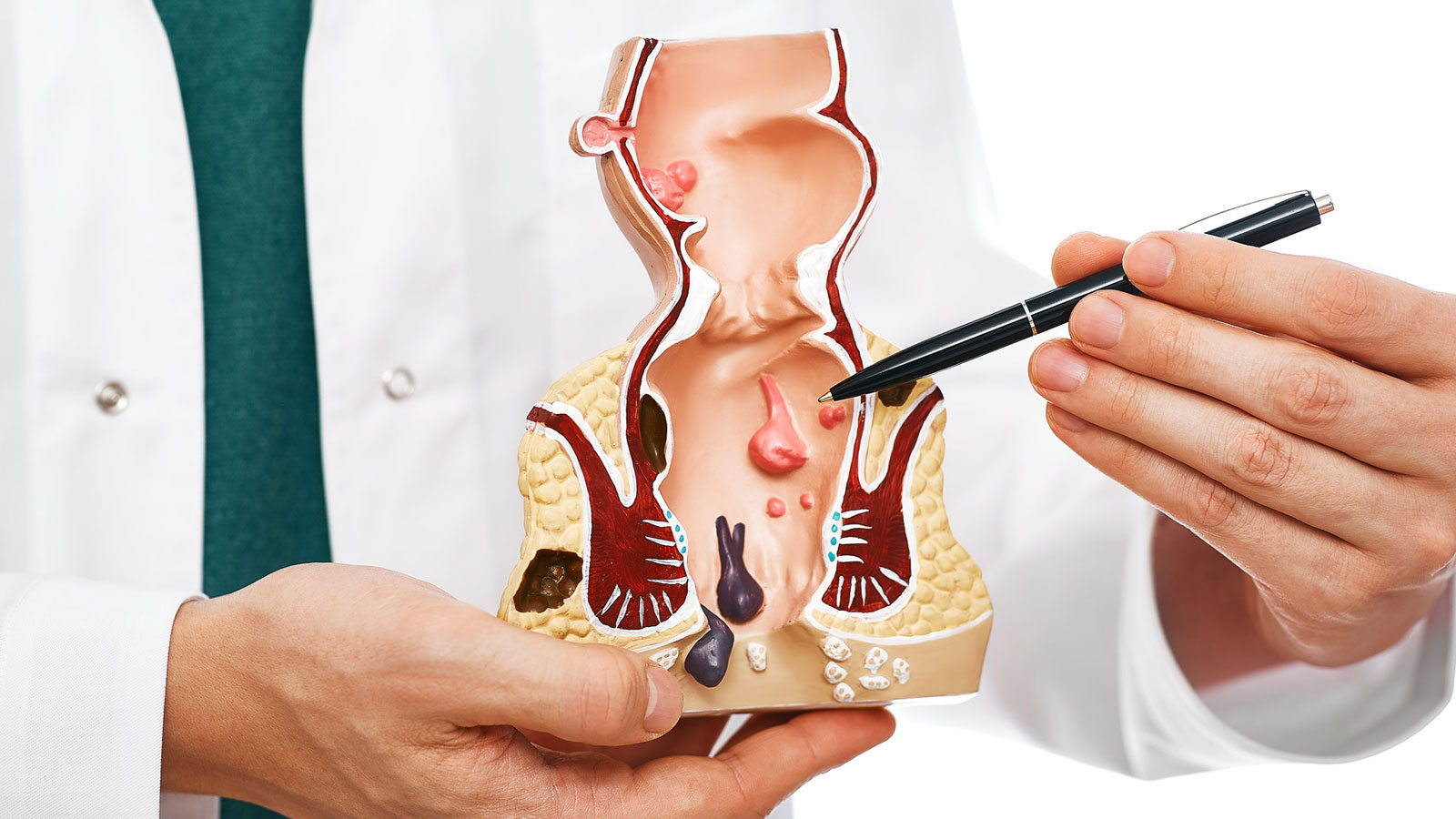
Hemorrhoids (Also Known As Piles) are common but often uncomfortable when symptomatic, particularly for those who spend long hours sitting, experience digestive issues, or are pregnant. Many people are aware of the discomfort symptomatic hemorrhoids bring, yet fewer understand why they occur, how to treat them, and when it is time to consult a doctor.
Today, we are breaking down the main causes of symptomatic hemorrhoids, key symptoms to watch for, and effective treatment options.
Hemorrhoid Signs and Symptoms
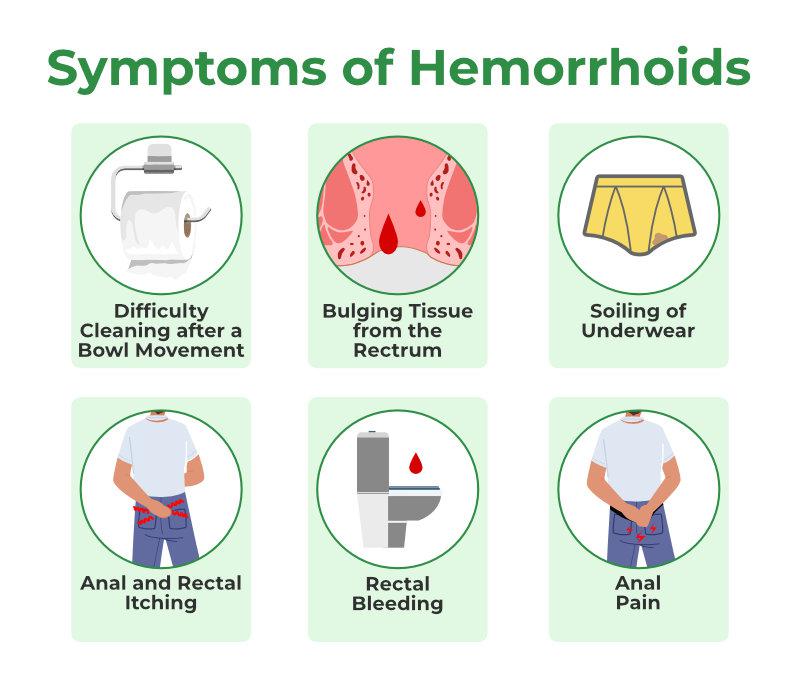
Hemorrhoid Symptoms start to develop when blood vessels in the anal area swell due to pressure, often leading to problems like:
- Itching and Burning: A common complaint due to irritation in the anal region.
- Painful Bowel Movements: Symptomatic Hemorrhoids can cause significant pain, especially during bowel movements.
- Bright Red Blood: Light bleeding on toilet paper or in the toilet is typical.
- Lumps near the Anus: Hard lumps indicate Thrombosed (clot-filled) hemorrhoids, which are often the most painful.
While blood during bowel movements is commonly associated with hemorrhoids, always mention this symptom to your doctor, as it could indicate other health issues, such as anal fissures, infections, or even colorectal cancer.
What Causes Hemorrhoids?
Symptomatic Hemorrhoids are often the result of consistent pressure on the anal area. Some common causes include:
- Straining During Bowel Movements: Excessive strain increases pressure in the anal veins, leading to swelling and discomfort.
- Chronic Constipation or Diarrhea: Both conditions can cause extended strain, leading to hemorrhoids.
- Prolonged Sitting: Sitting for long periods, especially on hard surfaces, can put undue pressure on the anal area.
- Pregnancy: Hemorrhoids are common in pregnancy due to hormonal changes, increased blood volume, and the physical pressure of the growing uterus.
- Aging and Genetics: Aging weakens tissues supporting the anal veins, while a family history may also increase susceptibility.

Hemorrhoid Treatment Options
Hemorrhoid treatment largely depends on the severity of the symptoms. Here is a guide to options for both mild and more severe cases.
Mild Hemorrhoid Treatments
For mild cases, the best approach is often a mix of home remedies and simple lifestyle changes:
- Dietary Fiber & Hydration: Adding fiber-rich foods like fruits, vegetables, and whole grains can make bowel movements easier, reducing strain. Drinking plenty of water also helps soften stool.
- Warm Sitz Baths: Soaking in warm water a few times daily for 10-15 minutes can soothe discomfort and reduce inflammation.
- Over-the-Counter Creams and Pads: Witch hazel, hydrocortisone creams, and soothing pads provide relief from itching, burning, and irritation.
- Avoiding Strain in the Bathroom: Only use the toilet when you genuinely need to go, and avoid spending extended time there.
Severe Hemorrhoid Treatments
For those with persistent symptoms, more intensive treatment options may be necessary:
- Rubber Band Ligation: A minimally invasive procedure where a small rubber band is placed around the hemorrhoid, cutting off its blood supply so it shrinks and falls off.
- Transanal Hemorrhoidal Dearterialization (THD): THD is a more advanced, minimally invasive procedure that blocks blood flow to hemorrhoids, causing them to shrink.
- Hemorrhoidectomy: Reserved for severe or Thrombosed hemorrhoids, this surgical option removes hemorrhoids directly, often with a recovery period.
Tips for Symptomatic Hemorrhoid Prevention
To help prevent future hemorrhoids:
- Maintain a Fiber-Rich Diet: Fiber can prevent constipation and reduce strain during bowel movements.
- Stay Active: Even light daily exercise can support digestion and circulation, reducing the risk of hemorrhoids.
- Avoid Sitting Too Long: Take breaks if you sit for long periods and use cushions to reduce anal pressure.
- Practice Good Bathroom Habits: Respond to the natural urge and avoid extended periods in the bathroom.
When to See a Doctor
While many cases of hemorrhoids resolve on their own or with home treatments, certain symptoms require medical attention:
- Persistent bleeding or pain lasting over a week
- Large, Thrombosed hemorrhoids causing extreme discomfort
- Any unusual anal symptoms, especially if over-the-counter treatments fail
If you’re dealing with recurring hemorrhoid symptoms, reach out to a specialist. Board-certified colorectal surgeons, like those at the Heritage Surgical Group, can provide expert guidance and treatment options for lasting relief.
The information provided on this website is for informational purposes only and is not intended as medical advice. Always consult with a qualified healthcare provider regarding any medical concerns, conditions, or treatment options. Individual results may vary. The services described are not intended to diagnose, treat, cure, or prevent any disease. Any medical procedure should be discussed thoroughly with a licensed professional before beginning treatment.