
The Importance of Diet in Hemorrhoid Management
Diet plays a crucial role in managing hemorrhoids. A fiber-rich diet can help soften stools, reduce straining during bowel movements, and prevent the irritation that can worsen hemorrhoid symptoms.
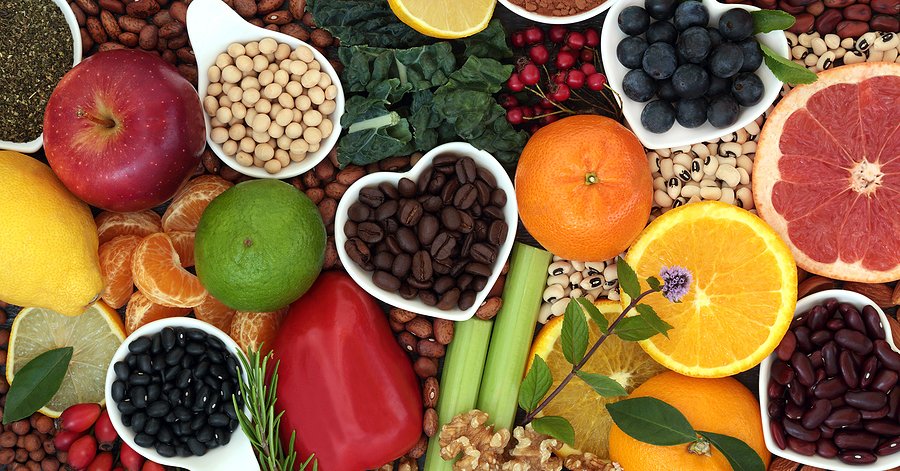
Best Foods for Hemorrhoids
High Fiber Foods for Hemorrhoids
Fiber is the cornerstone of a diet designed to alleviate hemorrhoid symptoms. It adds bulk to stools and makes them easier to pass, which helps reduce the strain that can lead to hemorrhoids. Here are some of the best high-fiber foods to include in your diet:
- Fruits and Vegetables: Apples, pears, berries, oranges, broccoli, and leafy greens are excellent sources of fiber.
- Whole Grains: Foods like brown rice, whole wheat bread, oatmeal, and quinoa are high in fiber and promote digestive health.
- Legumes: Beans, lentils, and chickpeas are fiber powerhouses that can be easily incorporated into soups, salads, and main dishes.
Examples of High Fiber Foods and Their Benefits
- Apples: One medium apple with the skin contains about 4.4 grams of fiber. Apples are not only high in fiber but also provide essential vitamins and antioxidants.
- Oatmeal: One cup of cooked oatmeal provides 4 grams of fiber. Oatmeal is a great breakfast option that can help regulate bowel movements.
- Broccoli: One cup of cooked broccoli contains about 5 grams of fiber. This vegetable is also rich in vitamins C and K.
Foods to Avoid with Hemorrhoids
While increasing fiber intake is beneficial, it’s also important to avoid foods that can aggravate hemorrhoids:
Spicy Foods and Hemorrhoids
- Can Spicy Food Cause Hemorrhoids?: Spicy foods can irritate the digestive tract and exacerbate hemorrhoid symptoms. It’s best to limit or avoid them if you have hemorrhoids.
Processed Foods and Refined Sugars
- Processed Foods: These foods are often low in fiber and high in unhealthy fats and sugars, which can lead to constipation and worsen hemorrhoids.
- Refined Sugars: Foods high in refined sugars can cause inflammation and contribute to digestive problems.
Dairy Products
- Dairy: While dairy is not necessarily bad for everyone, some people may find that dairy products cause constipation and worsen hemorrhoid symptoms.
Gluten and Hemorrhoids
- Can Gluten Cause Hemorrhoids?: Gluten can cause digestive issues in some people, particularly those with gluten intolerance or celiac disease. If you suspect gluten may be contributing to your hemorrhoids, consider reducing your intake.
Specific Dietary Recommendations
Incorporating high-fiber foods into your daily diet can significantly improve hemorrhoid symptoms. Here are some dietary guidelines and a sample meal plan to help you get started:
Daily Dietary Guidelines for Hemorrhoid Sufferers
- Fiber Intake: Aim for at least 25-30 grams of fiber per day from a variety of sources.
- Hydration: Drink plenty of water throughout the day to help fiber work effectively.
- Balanced Diet: Include a mix of fruits, vegetables, whole grains, and legumes in your meals.
Sample Meal Plan
- Breakfast: Oatmeal topped with fresh berries and a tablespoon of flaxseeds.
- Lunch: Quinoa salad with chickpeas, cucumber, tomatoes, and a lemon-tahini dressing.
- Snack: An apple with a handful of almonds.
- Dinner: Grilled salmon with a side of steamed broccoli and brown rice.
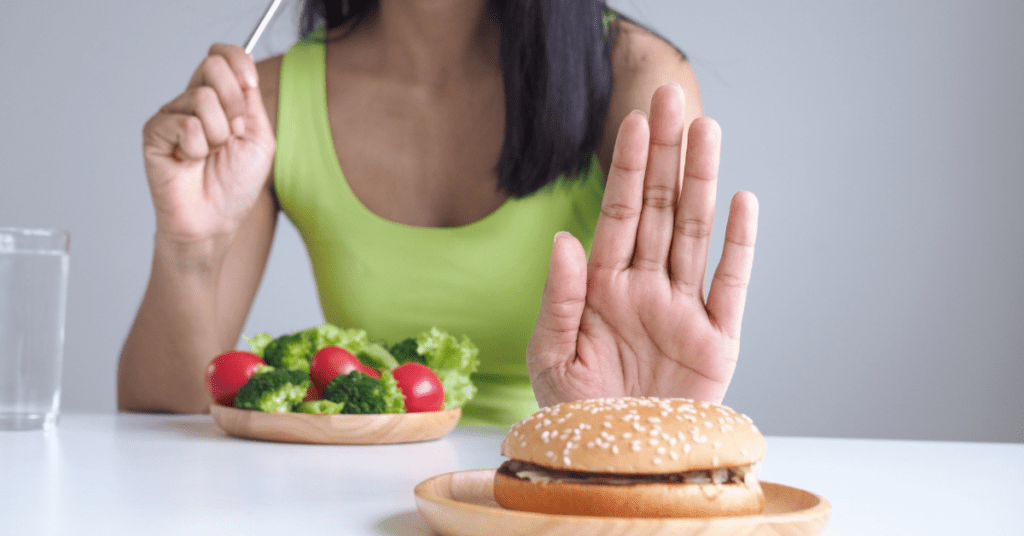
Tips for Maintaining a Hemorrhoid-Friendly Diet
- Gradually Increase Fiber: Increase your fiber intake slowly to avoid gas and bloating.
- Stay Hydrated: Drink at least 8 glasses of water a day to help fiber pass through your digestive system.
- Read Labels: Choose whole grain options and check food labels for fiber content.
Lifestyle Changes to Support a Healthy Diet
In addition to a fiber-rich diet, certain lifestyle changes can help manage hemorrhoid symptoms:
- Hydration: Drinking plenty of water helps prevent constipation and keeps stools soft.
- Regular Physical Activity: Exercise can improve bowel function and reduce pressure on the veins.
- Avoiding Prolonged Sitting: Take breaks to stand and move around, especially if you sit for long periods.

Frequently Asked Questions
What is the Best Diet for Hemorrhoids?
A diet rich in fiber from fruits, vegetables, whole grains, and legumes is best for managing hemorrhoids.
Can Diet Alone Cure Hemorrhoids?
While diet plays a significant role in managing hemorrhoids, it may not cure them alone. Combining dietary changes with medical treatments can provide the best results.
How Long Does it Take to See Improvement from Dietary Changes?
You may start to see improvements in hemorrhoid symptoms within a few days to a week of increasing your fiber intake and making other dietary changes.
A fiber-rich diet is essential for managing and preventing hemorrhoids. Are you ready to take control of your hemorrhoid symptoms? Start incorporating more fiber into your diet today. If the problem persists, it is necessary to seek medical assistance immediately.
The information provided on this website is for informational purposes only and is not intended as medical advice. Always consult with a qualified healthcare provider regarding any medical concerns, conditions, or treatment options. Individual results may vary. The services described are not intended to diagnose, treat, cure, or prevent any disease. Any medical procedure should be discussed thoroughly with a licensed professional before beginning treatment.