
How Do I Know If I Have Hemorrhoids?
Understanding the Silent Discomfort
Hemorrhoids—a word no one wants to hear yet many silently endure. They are a common condition that can cause discomfort, embarrassment, and even anxiety. But how do you know if you’re dealing with hemorrhoids or something more serious? This blog explores the key symptoms and warning signs to help you identify if you might have hemorrhoids and when it’s time to seek medical advice.
Identifying the Symptoms
Bright Red Bleeding During Bowel Movements
One of the earliest and most noticeable signs of hemorrhoids is rectal bleeding. You might see bright red blood on toilet paper, in the toilet bowl, or streaked on stool. Unlike some other conditions, this bleeding is typically painless and associated with internal hemorrhoids. However, if bleeding is heavy or persistent, consult a doctor to rule out other issues.
Itching or Irritation Around the Anus
Hemorrhoids can cause inflammation that leads to an itchy or irritated feeling in the anal area. This symptom often worsens with prolonged sitting or poor hygiene. While it can be bothersome, it’s essential to avoid excessive scratching, which could worsen the irritation.
Pain or Discomfort in the Anal Region
Pain isn’t always a symptom of hemorrhoids, especially internal ones, but external hemorrhoids can be more painful. Thrombosed external hemorrhoids—those with clots—are particularly uncomfortable and may cause sharp or throbbing pain.
Spotting Physical Changes
Swelling or Lumps Around the Anus
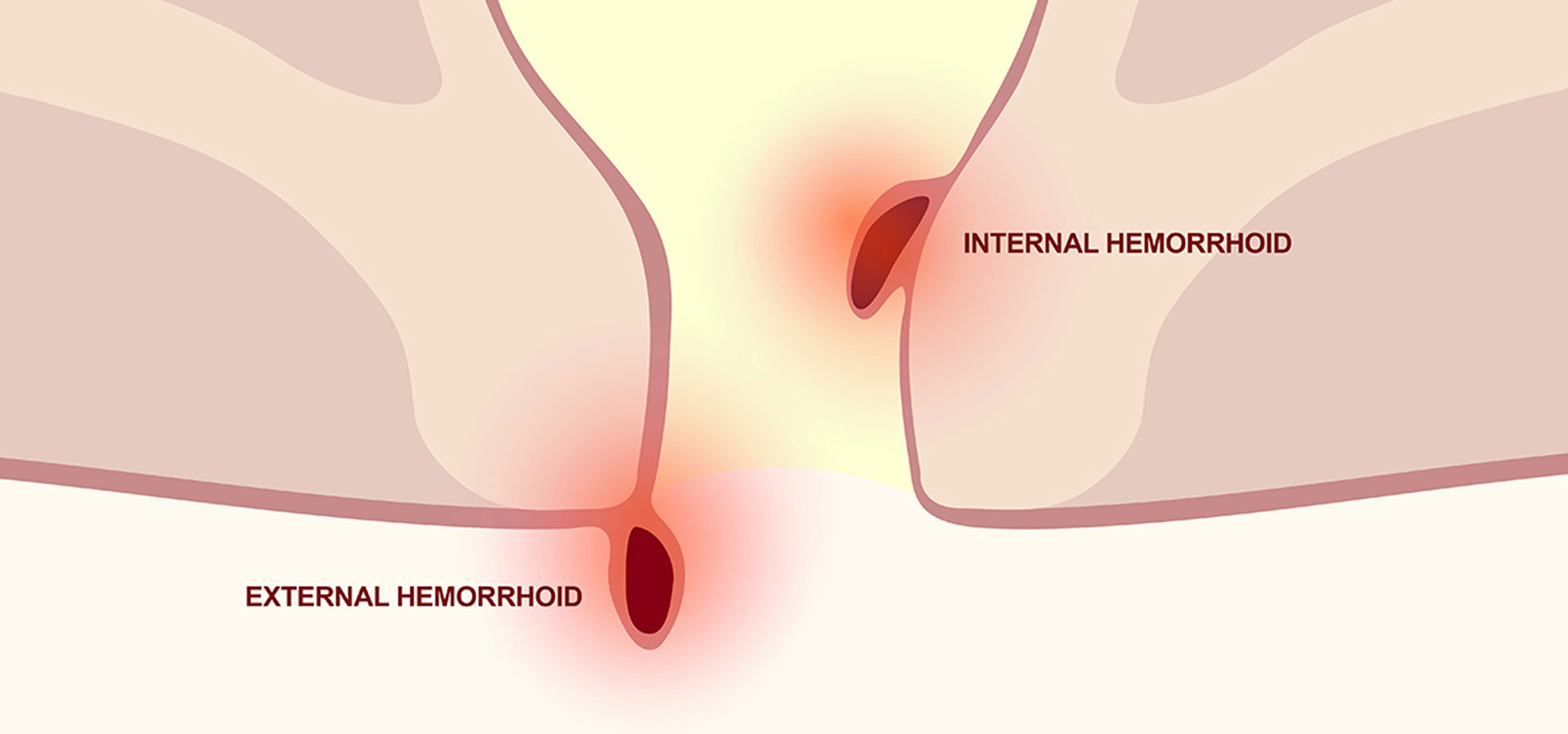
External hemorrhoids often manifest as visible or palpable lumps around the anus. These can feel soft or firm and may be tender to the touch. In some cases, a protruding internal hemorrhoid might feel like a lump but could retract on its own or need medical intervention
Mucus Discharge and Hygiene Issues
Internal hemorrhoids can produce a slimy mucus that contributes to mild soiling or irritation. This discharge can make it difficult to maintain hygiene, which may lead to secondary skin irritation or infection.
A Feeling of Fullness or Incomplete Evacuation
Hemorrhoids, particularly internal ones, can create a sensation of pressure or fullness in the rectum. You might feel like you haven’t completely emptied your bowels after a movement, even when you have.
When to Seek Medical Help
Persistent Symptoms That Don’t Improve
If over-the-counter treatments or home remedies fail to alleviate symptoms like bleeding, swelling, or pain, it’s time to consult a healthcare provider. Chronic or worsening symptoms could indicate complications or a different condition altogether.
Heavy Bleeding or Severe Pain
While hemorrhoid-related bleeding is typically mild, heavy bleeding warrants immediate attention. Similarly, if a lump around your anus becomes hard and excruciatingly painful, it could be a thrombosed hemorrhoid requiring prompt medical intervention.
Symptoms Resembling Other Conditions
Conditions like anal fissures, abscesses, or even colorectal cancer can mimic hemorrhoid symptoms. A professional evaluation is crucial for an accurate diagnosis and peace of mind.
Don’t Ignore the Signs
Knowing the signs of hemorrhoids is the first step toward managing this condition effectively. While symptoms like bleeding, itching, and discomfort can often be treated with home care, persistent or severe issues should never be ignored.
At Heritage Surgical Group (HSG), our specialists provide compassionate, expert care for hemorrhoids and other colorectal conditions. If you’re experiencing any of the symptoms mentioned, don’t wait—contact us today for an evaluation and customized treatment plan.
The information provided on this website is for informational purposes only and is not intended as medical advice. Always consult with a qualified healthcare provider regarding any medical concerns, conditions, or treatment options. Individual results may vary. The services described are not intended to diagnose, treat, cure, or prevent any disease. Any medical procedure should be discussed thoroughly with a licensed professional before beginning treatment.