
8 Hemorrhoids Prevention Tips You Can Use at Home
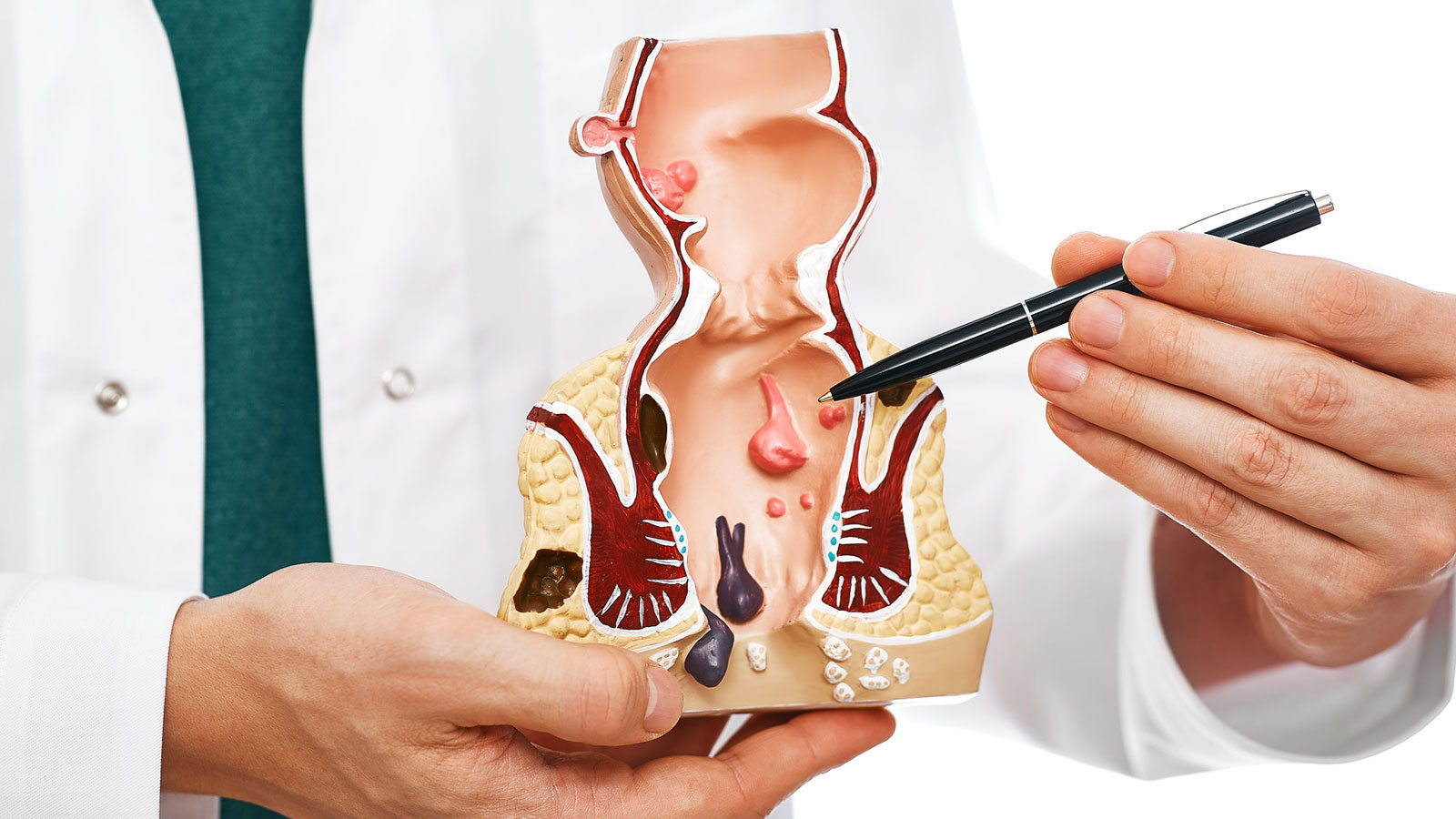
Let’s face it—symptomatic hemorrhoids are an unwelcome reality for many adults. This common condition, characterized by swollen veins in the rectal area, can cause discomfort, itching, and even bleeding. However, the good news is that with a few proactive changes, you can significantly reduce your risk of developing symptomatic hemorrhoids. This blog covers eight practical tips that you can easily adopt at home to prevent this condition from interfering with your comfort and quality of life. Whether it’s tweaking your diet or modifying your daily habits, these methods are simple yet highly effective.
Setting the Foundation for Digestive Health
1. Embrace a High-Fiber Diet
Fiber is your digestive system’s best friend. Studies show that diets rich in fiber can lower the risk of symptomatic hemorrhoids by softening stool and improving bowel movements. Foods like leafy greens, oats, lentils, and fruits such as apples or berries are excellent choices. Aim for 25-35 grams of fiber daily, and consider supplements like psyllium husk if your diet falls short. Fiber reduces strain during bowel movements—a primary cause of hemorrhoids.
2. Stay Well-Hydrated
Water is another essential component of hemorrhoid prevention. Dehydration can lead to harder stools, increasing the likelihood of straining. Health experts recommend consuming at least 8-10 glasses of water a day, although this varies depending on activity levels and climate. Complement your fiber intake with adequate hydration to keep things moving smoothly in your digestive tract.
3. Avoid Straining on the Toilet
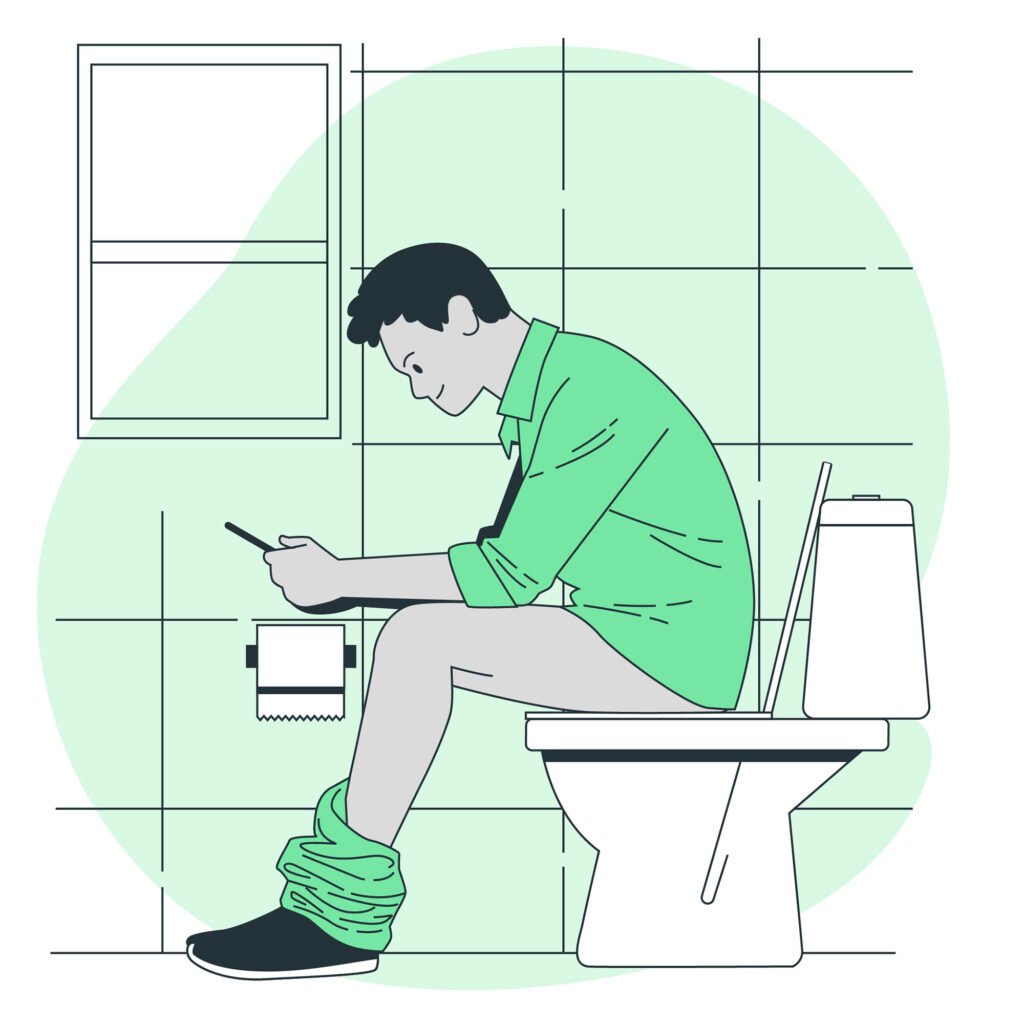
Straining is one of the most direct contributors to hemorrhoids. Whether due to constipation or a habit of spending too much time on the toilet, straining increases pressure on the rectal veins. Focus on responding promptly to nature’s call without forcing the process. If you often face difficulty, consult a healthcare provider to address any underlying issues.
Active Lifestyle and Hygienic Practices
4. Incorporate Regular Exercise
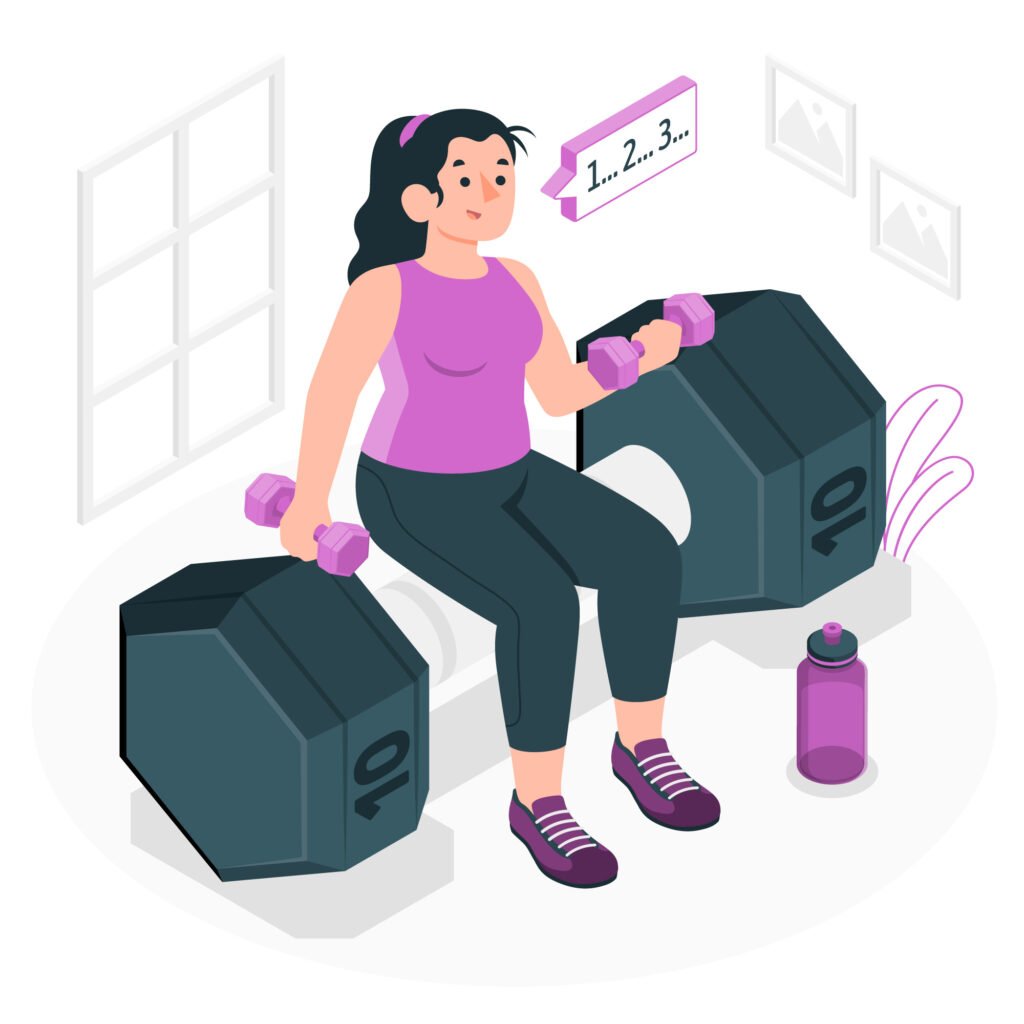
Did you know that staying active promotes healthy bowel movements? Activities like walking, swimming, and yoga stimulate your digestive system while reducing pressure on your pelvic area. Exercise also prevents obesity—a known risk factor for hemorrhoids. Aim for at least 30 minutes of moderate exercise daily.
5. Wear Loose and Comfortable Clothing
Tight clothing, especially around your waist and thighs, can restrict blood flow and lead to irritation in the rectal area. Opt for breathable fabrics like cotton and ensure your undergarments aren’t overly tight. This minor adjustment can go a long way in improving circulation and preventing discomfort.
6. Practice Proper Bathroom Hygiene
Hygiene matters when it comes to symptomatic hemorrhoid prevention. After using the bathroom, clean the anal area gently using unscented, soft toilet paper or wipes. Avoid harsh soaps and excessive scrubbing, which can cause irritation. Keeping the area clean and dry minimizes the risk of inflammation and infections.
Advanced Strategies and Long-Term Habits
7. Don’t Delay Bowel Movements
Holding it in might seem convenient at the moment, but delaying bowel movements can cause stool to harden. This increases the strain required to pass it, making hemorrhoids more likely. Develop a habit of responding promptly to the urge, ensuring a smoother and less stressful process.
8. Limit Prolonged Sitting
Whether it’s at your desk or on the toilet, sitting for extended periods puts unnecessary pressure on the rectal veins. If your job involves long hours of sitting, make it a habit to stand, stretch, or walk around every hour. Additionally, consider using a cushion or ergonomic chair to distribute pressure evenly.
Small Changes, Big Results
Preventing symptomatic hemorrhoids doesn’t require drastic lifestyle changes—it’s all about consistency with these manageable steps. A fiber-rich diet, proper hydration, regular exercise, and good bathroom habits form the cornerstone of prevention. By incorporating these tips into your routine, you can lower your risk of symptomatic hemorrhoids and improve your overall digestive health.
Remember, if you’re already experiencing hemorrhoid symptoms or these tips don’t seem to help, it is essential to consult a healthcare provider. At Heritage Surgical Group (HSG), we specialize in advanced hemorrhoid treatments, offering tailored solutions for lasting relief. Don’t let discomfort hold you back—contact us today for expert care!
The information provided on this website is for informational purposes only and is not intended as medical advice. Always consult with a qualified healthcare provider regarding any medical concerns, conditions, or treatment options. Individual results may vary. The services described are not intended to diagnose, treat, cure, or prevent any disease. Any medical procedure should be discussed thoroughly with a licensed professional before beginning treatment.